

EV Charging Guide
EV Charging in Singapore: A Beginner’s Guide to Charging Your Electric Car
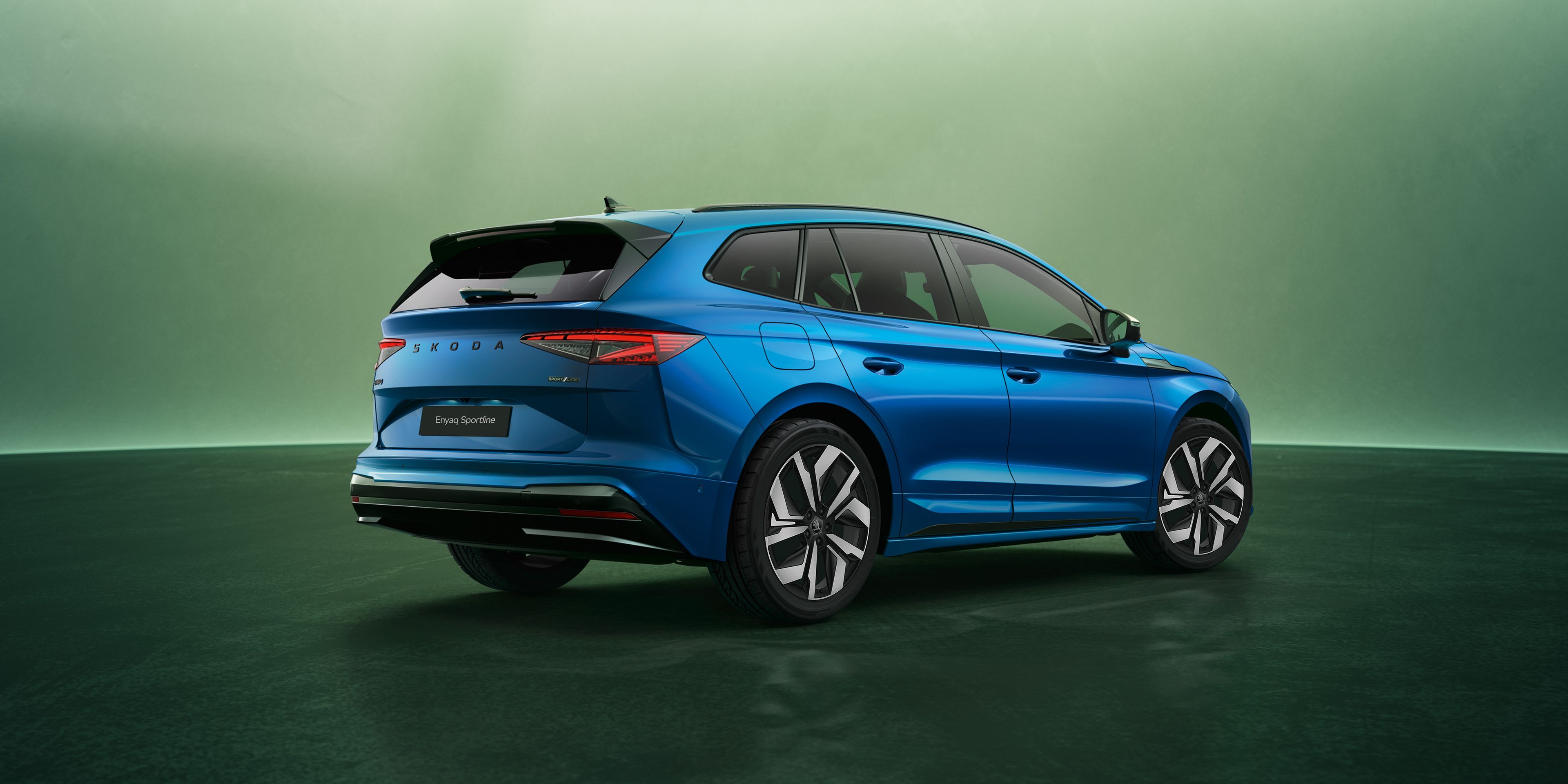
Singapore is moving towards a more electric future, and as electric vehicles (EVs) become a bigger part of the way we travel, understanding how to charge an EV is becoming increasingly important for drivers here.
For those used to petrol or diesel cars, charging an electric vehicle may seem like a new experience. While petrol and diesel cars are typically refuelled at petrol stations, EVs are charged using dedicated charging points, which can be found in places such as car parks, residential developments and some petrol stations. The good news is that the basics are relatively simple once you understand the different types of charging and how they work.
Whether you are considering your first EV or simply want to understand electric mobility better, here is what you need to know about EV charging.
What Is EV Charging?
EV charging is simply the process of replenishing the electrical energy stored in an electric car's battery. When an EV is connected to a compatible charging point, electricity is transferred into the battery. How quickly this happens depends on the charging point, the vehicle, and the battery's current state of charge.
There are two main types of EV charging to know: AC charging and DC charging.
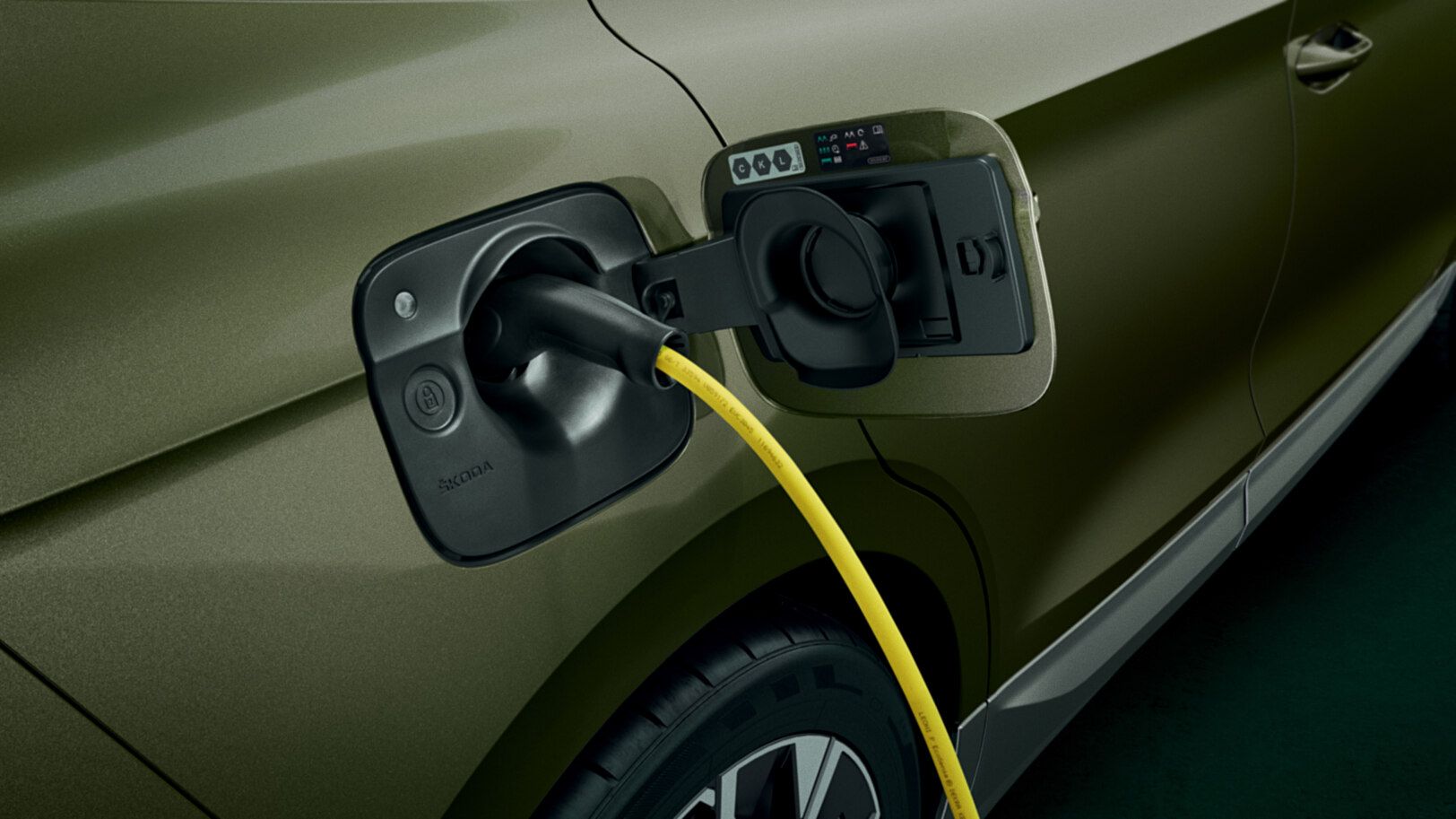
AC charging
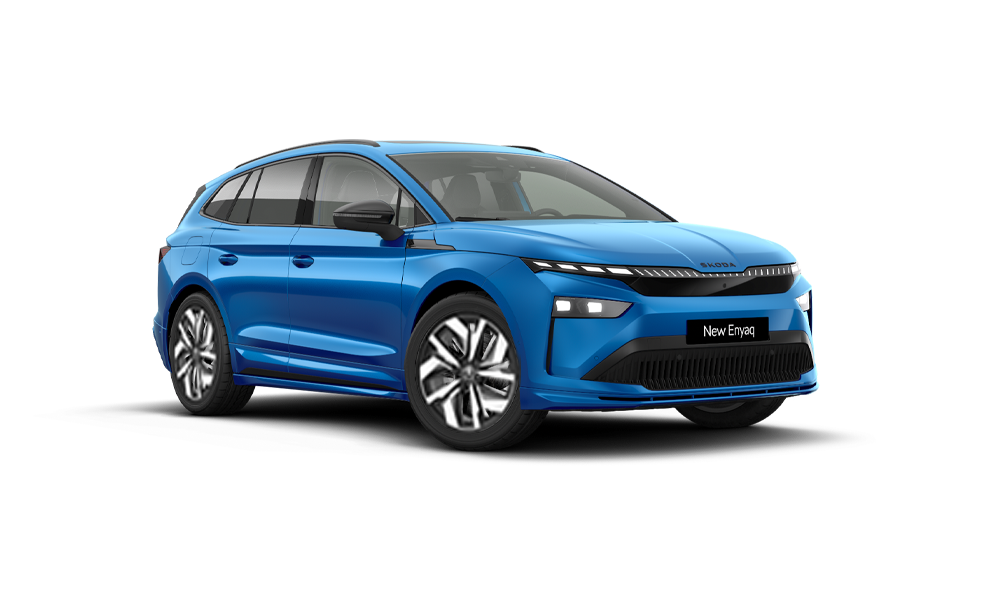
Suited for longer charging periods. The Škoda Enyaq supports three-phase AC charging at up to 11 kW, with an approximate charging time of 6 hours 30 minutes from 0–100%.
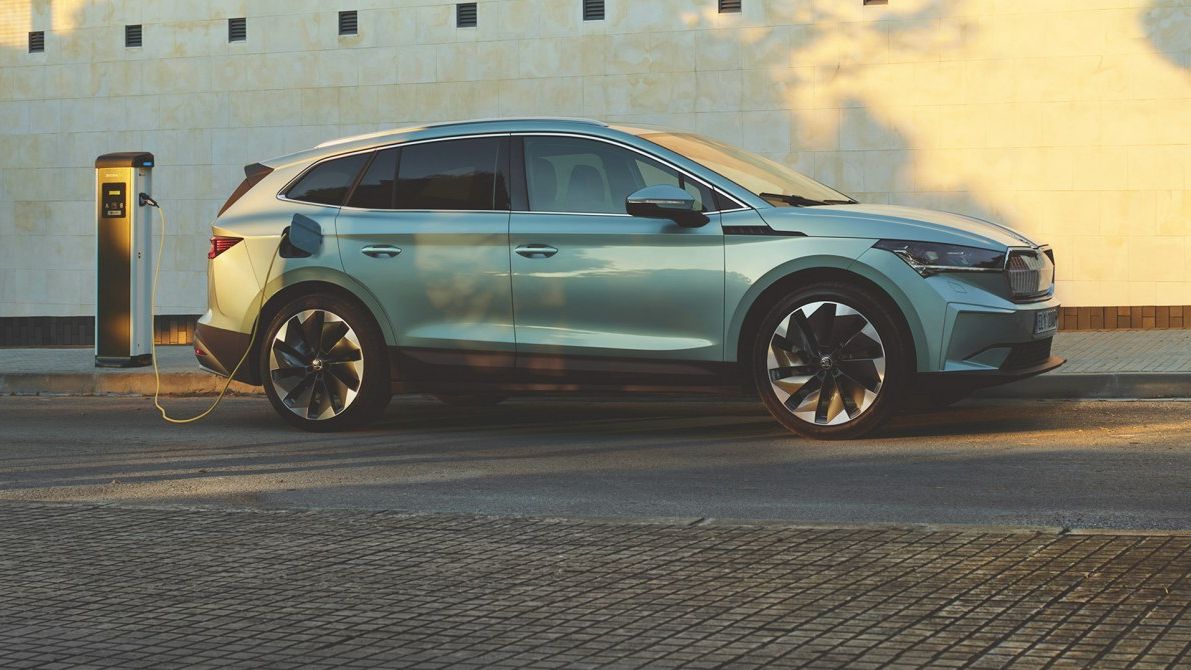
DC fast charging
A faster way to replenish the battery and can be useful when you have less time. The Škoda Enyaq supports DC charging at up to 165 kW, with an approximate 10–80% charging time of 24 minutes.
How Do You Charge an Electric Car?
1. Park your EV
Position your vehicle properly so the charging cable can reach safely.
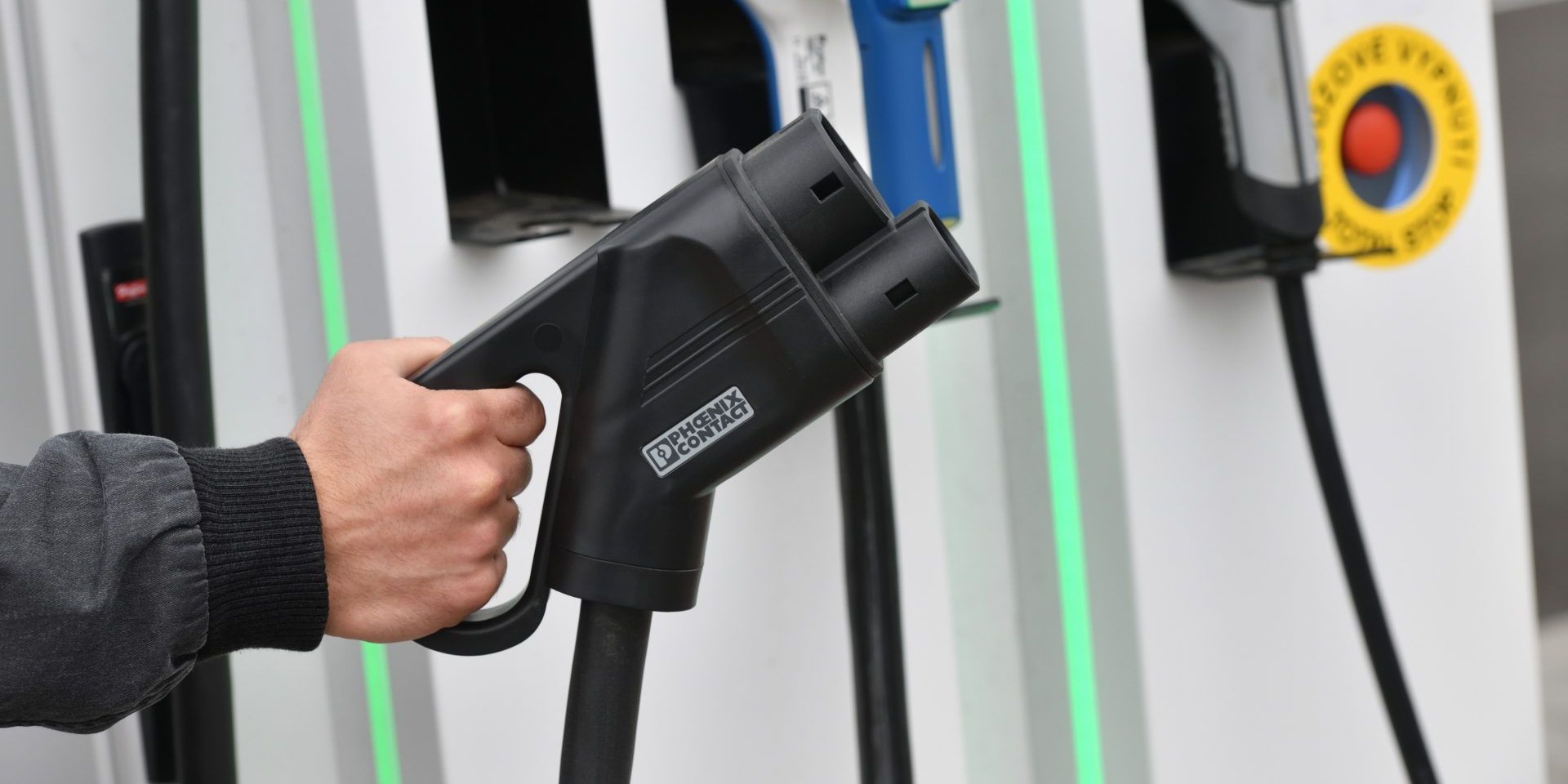
2. Check the charger
Check the charger type, connector, price and availability before starting.
3. Plug in
Connect the charging cable securely to your vehicle.
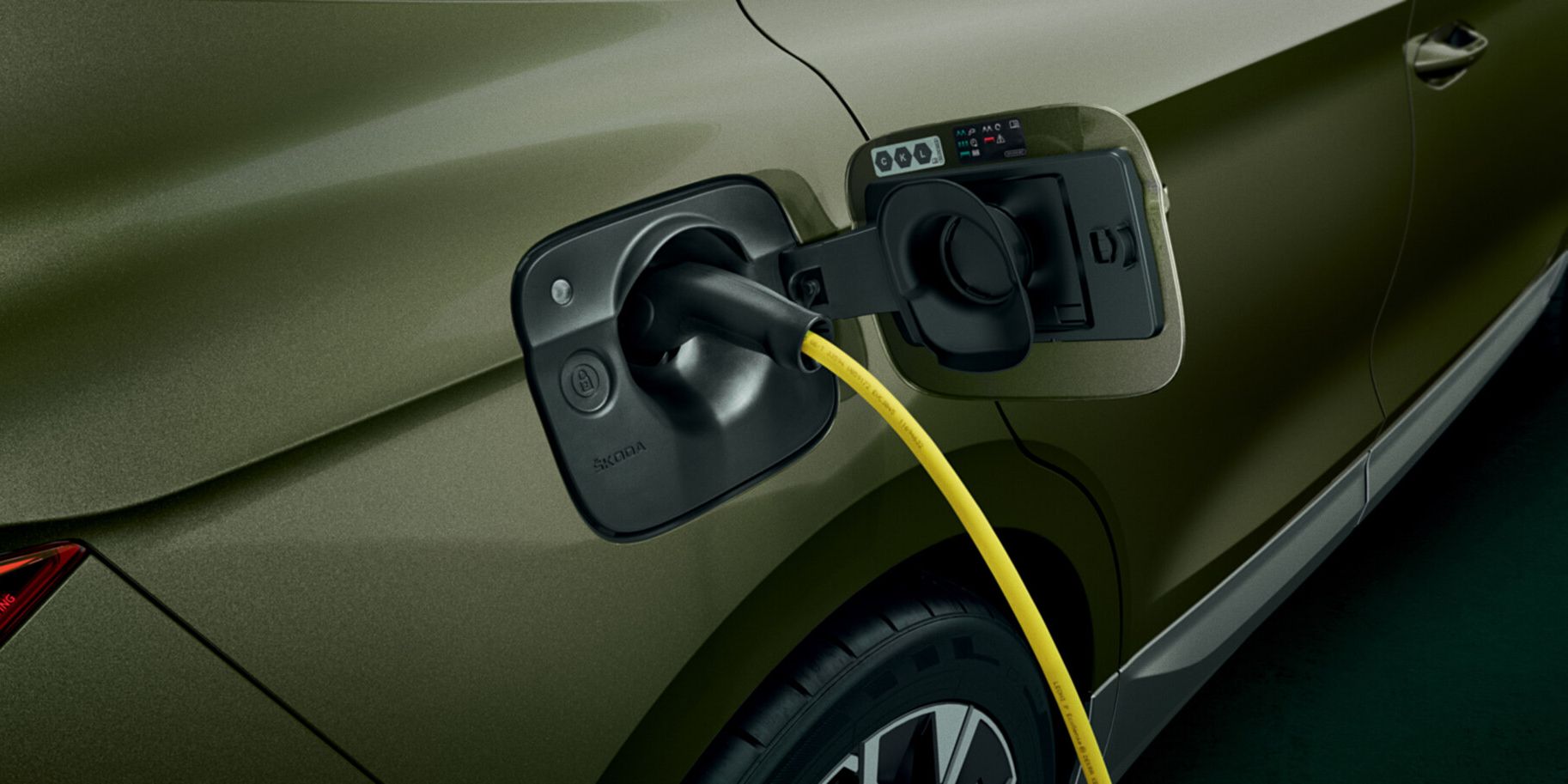
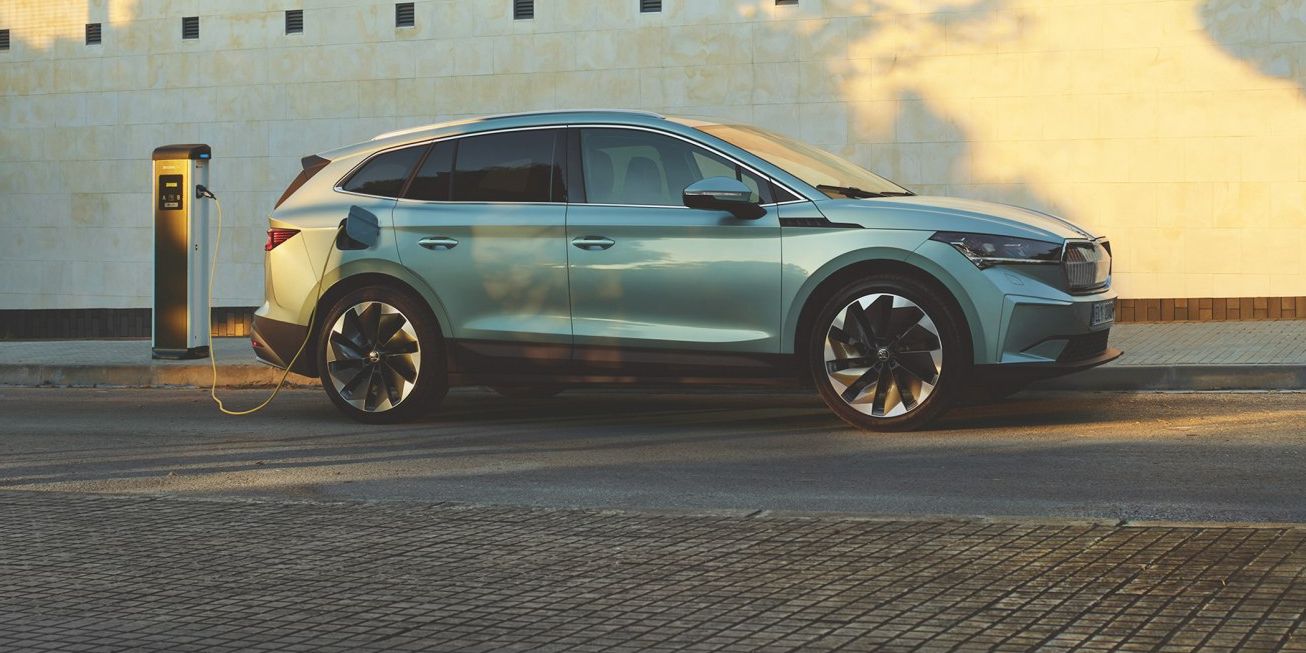
4. Start charging
Start the session using the charging app, QR code or payment terminal, depending on the charger.
5. Monitor the charging
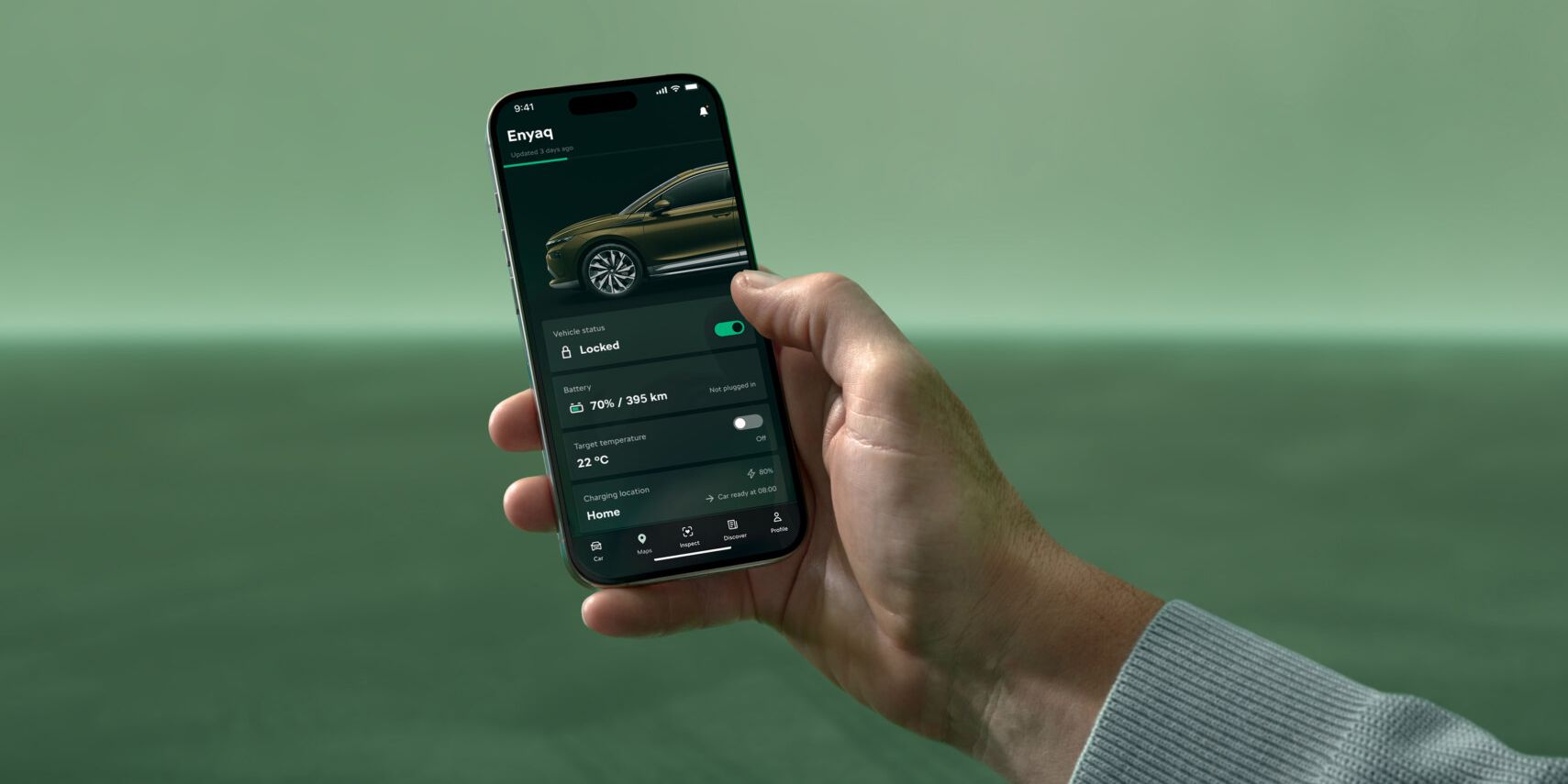
Keep an eye on your battery percentage and estimated charging time.
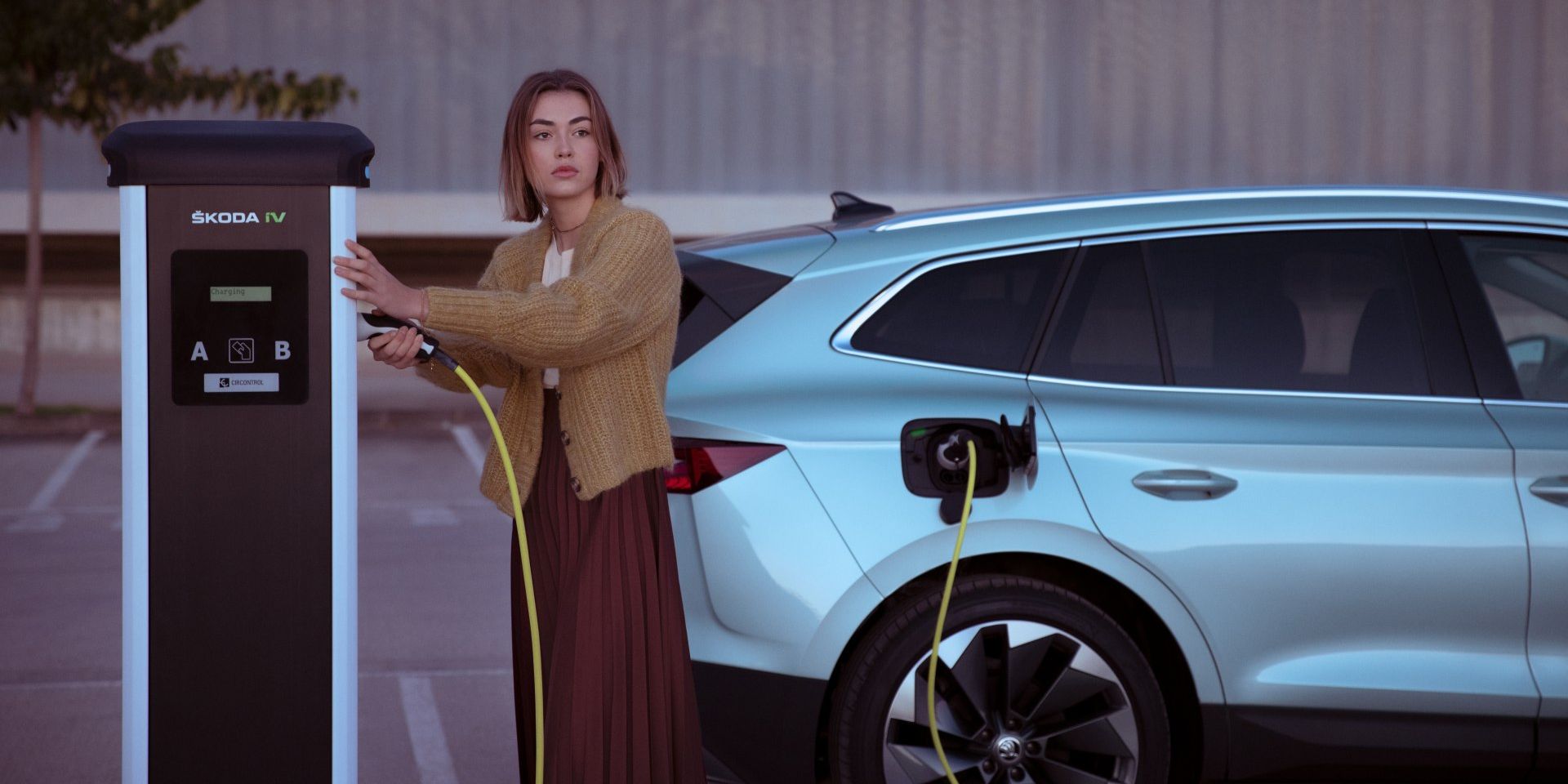
6. Stop charging
When you are ready, end the charging session through the app or charger interface.
7. Unplug and move off
Disconnect the cable and move your EV once charging is complete, so the charging space is available for the next driver.
If your vehicle will be parked for several hours, AC charging may be suitable. For journeys where you need to replenish the battery more quickly, DC fast charging may be the better option where supported.

EV Charging FAQs
AC charging is generally associated with longer charging periods, while DC charging provides a faster way to replenish an EV's battery. The Škoda Enyaq supports up to 11 kW AC charging and 165 kW DC charging.
The Škoda Enyaq takes approximately 6 hours 30 minutes from 0–100% using 11 kW AC charging, or approximately 24 minutes from 10–80% using DC charging at up to 165 kW. Actual charging times may vary.
The Škoda Enyaq offers up to 434 km of electric range.
No. Charging time can vary depending on factors including the charger, battery charge level and condition, power supply and temperature.
It depends on how much time you have. AC charging can be suitable when your vehicle is parked for longer, while DC fast charging can be useful when you need to replenish the battery more quickly.